 Skip to content


USB-C based baby products from niche gadgetry to mission-critical tools for busy parents and within the B2B segment, this category will soon become a mainstream phenomenon. Some of the top contributors to growth in this segment would include USB-C baby bottle warmers based on PD 3.0 Fast Power Delivery technology with effective and uniform warming solutions while traveling. To manufacturers and distributors considering entry into this segment, understanding travel charging norms and OEM technology skills would be important.
This article dissects all that you need to know regarding USB-C PD bottle warmers, including PD, safety, and travel-compliant models, to ensure a professional has all the technical information needed when looking to import the product, enhance an existing portfolio, or create a new OEM/ODM product with VITALBUB by taking advantage of our bold, italic, and underlined information presented here.
This guide is part of our Bottle Warmer Technology insights, where we explore safe milk heating systems, product innovations, and appliance design trends for modern infant feeding solutions.
Comprehending the Options for Present Day USB-C Bottle Warmers
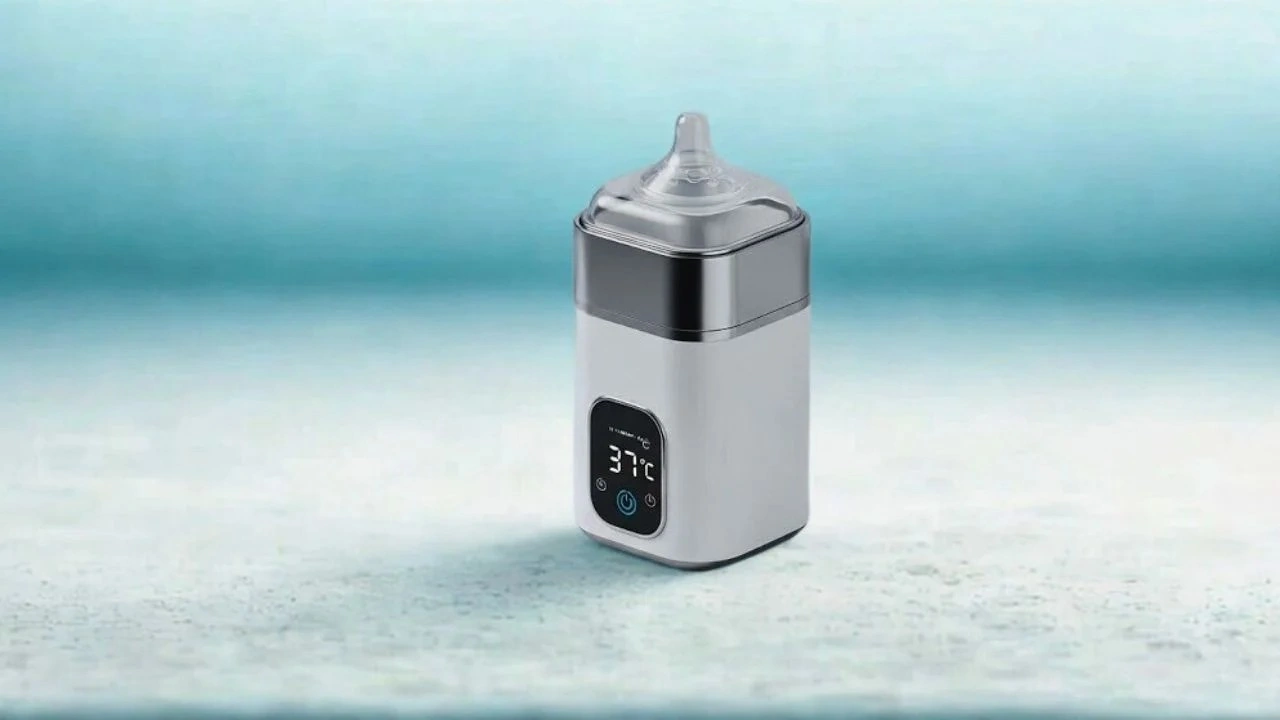
A paradigm shift has occurred in current baby bottle warmers using USB-C. For B2B customers such as importers, distributors, and e-commerce brands, being informed about the different power options and compatibility of devices and charging adapters is critical before deciding which supplier to use or whether an OEM agreement can be reached. These aspects of baby bottle warmers and other PD 3.0 products are all considered by VITALBUB in every project.
Why Power Options Are Important in B2B Sourcing & OEM
Unlike conventional warmers that utilize fixed AC power, USB C bottle warmers will employ elastic power resources. They will be utilized in various settings; airports, hotels, cars, long flights, cafés, and power banks while traveling outdoors. This translates to challenges in:
- achieving stable heat output
- prevention of device underpowering or overshoot
- compatibility with multiple PD chargers
- maintaining safe heating curves
- meeting global certification requirements
As the warmers directly engage with the external power equipment (charge cables, power banks, adapters, and power chargers), there is a requirement that every component meet the strict requirements of protocol compliance. Buyers in the B2B business will need to assess the manufacturer’s adherence to the actual handshake protocol and not the ‘fake’ PD, as it may lead to overheating and failure.
Common Power Sources Used by USB-C Bottle Warmers
A list of the main types of powers used by end users is provided below. The buyer should check for compatibility for each of these types when considering datasheets for supplier compatibility for a VITALBUB OEM specification.
USB C PD Wall Chargers
These give the most stable and controlled power output. For warmers supporting PD 3.0, compatible power can be:
- $90
- 12
- 15V/1.2A (when supported by the warmer’s internal
An amenable bottle warmer drives these curves with a true PD trigger for a safe and reliable heating process.
PD Power Banks
Travel warmers see the application of high-capacity power banks (with capacities between 10,000 mAh and 30,000 m
- Minimum required profile: 9V PD output
- Energy Density & Discharge Rate
- Cable Quality and Voltage Drop
- Airline-safe lithium capacity (Typically < 100 Wh)
The VITALBUB OEM units are set up for heating stability even when power banks lower the voltage during the mid-charge cycle.
Car Chargers (12V Vehicle Ports)
Car travelers use bottle warmers frequently. PD Car Adapters must have the following features in quality adapters:
- PD 3.0 or PPS
- Normal 9V–12
- thermal protection inside the plug
Suppliers will, in most cases, overlook filtering of automotive noise; this is incorporated in VITALBUB technology, preventing interference from affecting the sensors of the warmer
Engineering Aspects of Stable Thermal Control

“Stability in temperature control is the backbone of any good USB-C PD bottle warmer, especially when it comes to travel-friendly units distributed around the world,” notes Peter Dehnel, founder of VITALBUB. For B2B customers, it can be highly informative to consider the technological approach that ensures stable warming. “We’ve built our units from the ground up to prioritize optimal thermal control,” Dehnel continues. “This has meant that our designs inherently address both safety and efficiency with regard to power delivery according to the latest PDP 3.0
Dealing with Precise Heating Elements and Sensors
Making it possible to circulate the heat evenly begins with the design of the heating element. High-quality bottle warmers begin by using a combination made up of copper or aluminum heat plates and temperature sensors that are placed in the vicinity of the milk compartment. In this case, it will ensure that the device heats milk evenly without the formation of hot spots. In the case of buyers in the B2B sector, it is essential that the supplier can deliver drawings detailing the sensors and heating element tolerance. VITALBUB warmers rely on multiple sensors that continuously adjust the supplied power.
Adaptive Power Management
Thermal regulation is also made possible through adaptive power management. The power current is managed through real-time feedback. As the system approaches the desired temperature, the firmware decreases the voltage or pulse-width modulation to ensure that the heat remains consistent. This eliminates overshooting, optimizes nutrient preservation in breast milk, and avoids straining the internal electronics. When engineering teams assess PD 3.0 warmers, they must check whether the firmware allows adaptive power current modulation or just fixed output.
Thermal Insulation & Material Engineering
Material selection plays a crucial role in heat retention and efficiency. Good warmers will have thermally insulated chambers made from food-safe plastics, ceramics, and silicone materials to decrease heat losses and keep the warmers portable and lightweight for travel. VITALBUB recognizes the challenges in material technology research and development to strike a right balance between insulation and material cost to provide a sound solution to its OEM customers meeting global safety parameters.
Safety Features: Overheat Protection, Uniform Heating & Auto-Shutoff
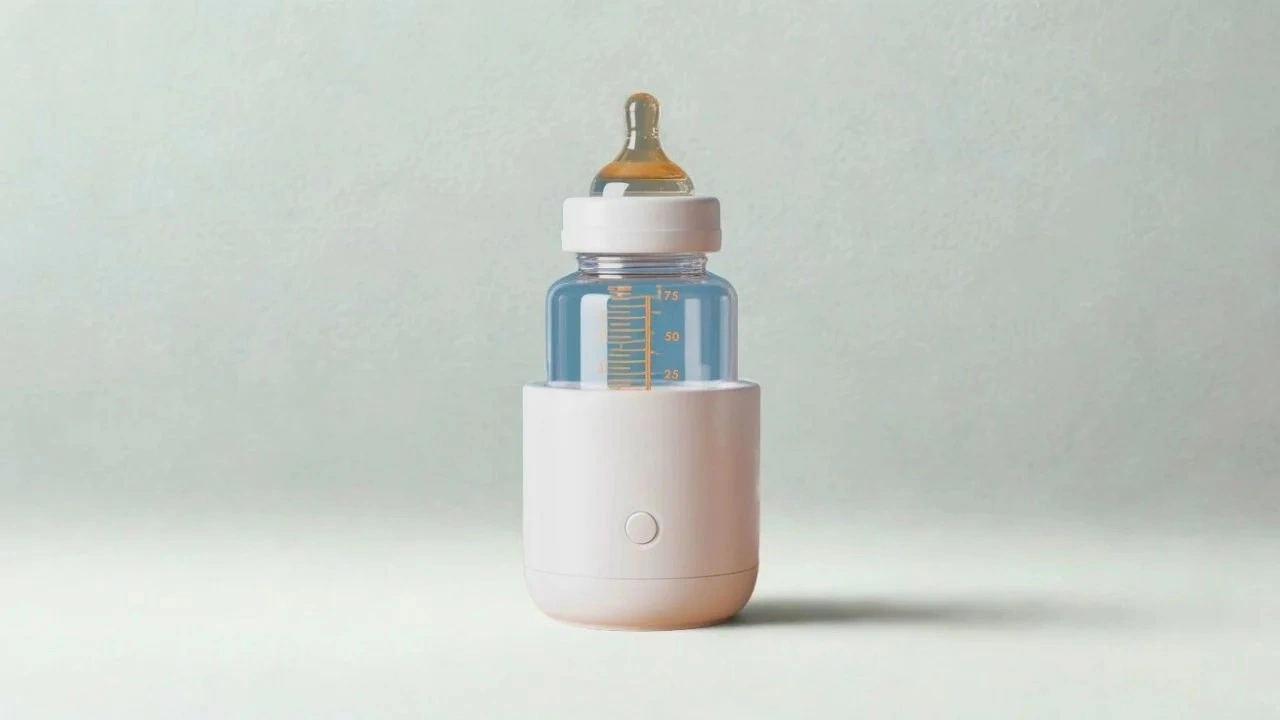
When it comes to USB C PD bottle warmers, safety is no longer an optional consideration, and this applies even more to travel and portable baby products. When weighing different options for purchasing OEM/OEM or private label products from suppliers in the B2B marketplace and purchasing agreements for baby warmers, safety features including overheat protection and shut off features must be factored into considerations. VITALBUB has safety features built into all PD 3.0 baby warmers.
Overheat Protection
Overheating is another key safety concern related to baby bottle warmers. This has been addressed in the PD 3.0 technology that has multi-level overheating protection features that use hardware and software. The features include:
- Thermal sensors located close to the heating element for monitoring excessive temperatures
- Current limiting circuits working to lower voltage on thermal limits exceeded
- Power modulation via firmware for ensuring safe heating cycles
- Automatic cut-off is initiated in the event that temperatures exceed safety thresholds
The systems make sure that even with changes in the external power source, the warmer will remain safe because damage could occur on the bottle, milk, and warming device. The strategy designed by VITALBUB aims at detecting any changes early to maintain stability.
Uniform Heating Mechanisms
An even temperature distribution is paramount in order to prevent hot spots that can scald liquids and destroy nutrients. These aspects are ensured by the application of technological solutions by manufacturers, such as:
- Multi-point thermal sensors for the real-time observation of various regions of the bottle chamber
- Heating plates with conformal heating or liquid-based heating for uniform thermal conduction
- Firmware-controlled adaptive heating patterns with power levels adjusted according to sensor data
- Chamber designs with insulation for retaining heat and resisting external surface overheating
“These features give PD 3.0 warmers a predictable and consistent heating capability that is a critical marketing feature for companies that want to offer a travel-ready device,” explains King.
Auto-Shutoff Features
Automatic shut-off is an added safety and energy-conserving measure provided by the manufacturer. The key implementations include:
- Time Control shutdown after set heating time
- Activation of temperature shutdown upon reaching and/or exceeding the target temperature
- Power failure recovery that prevents unintended warming in the event the warmer is disconnected and then reconnected
VITALBUB features automatic turn-off capabilities that meet worldwide certification standards to ensure safety for caregivers while using the product.
Certification and Compliance Tests for International Markets
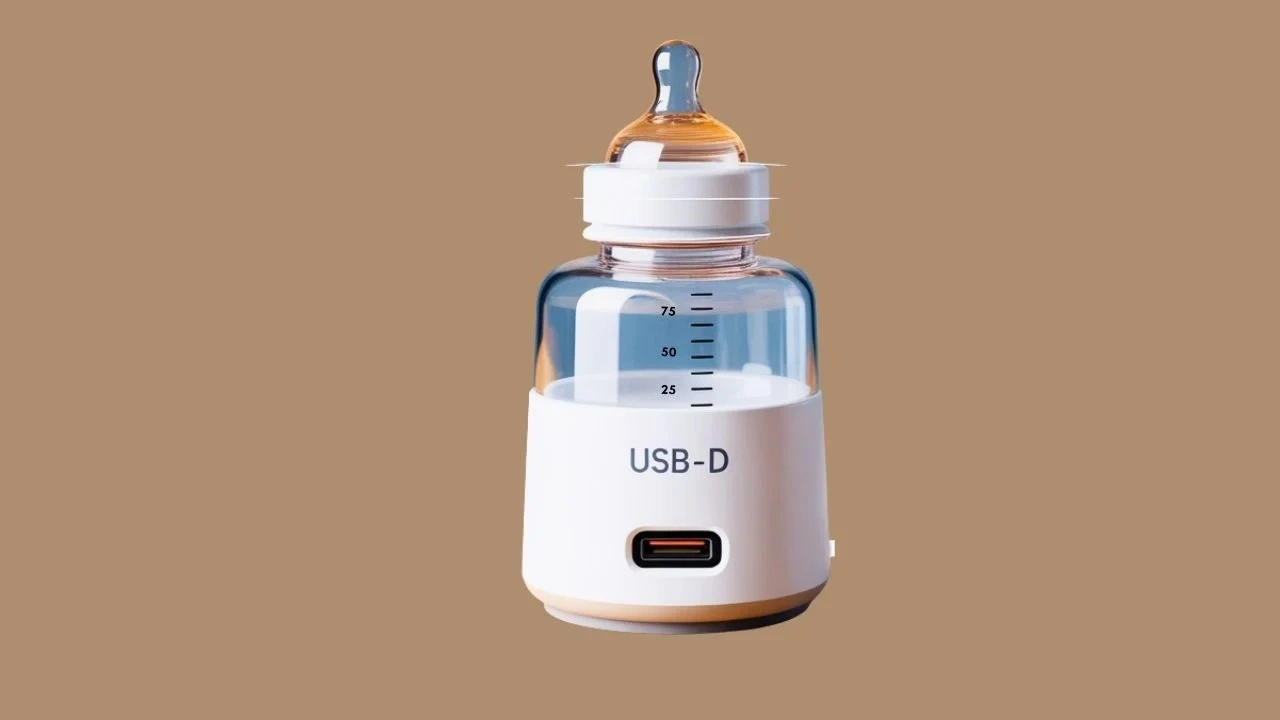
In the case of USB-C PD baby bottle warmers, it is a crucial aspect for them to meet the global certification standards. It is necessary for the B2B buyers to assess whether the supplier meets the proper testing standards for the product to travel. VITALBUB implements the proper certification standards in every design of the PD 3.0 baby bottle warmer.
Important Electrical Safety Certifications
Electrical safety is a major concern for high voltage USB type C ports and connectors, and some of the most important standards include:
- CE Marking required on the sale of goods in the European Union; ensures compliance with low voltage directives and general safety specifications regarding electricity
- UL/ETL (Underwriters Laboratories / Intertek Testing Services) Accepted within North America; validates intent to ensure electrical design safety and overheating prevention
- FCC (Federal Communications Commission) Guarantees the electromagnetic compatibility of devices that have digital control electronics
- PSE (Product Safety Electrical Appliance & Material) Obligatory in Japan; tests insulation, voltage stability, and thermal safety
In designing their PD 3.0 Bottle Warmers, VITALBUB takes into consideration the certifications that will allow it to overcome these challenges and market their products effectively to its target market.
Material and Food Safety Compliance
Because the warmers are directly in contact with the bottles and formula and/or breast milk, the requirement for material compliance is just as important:
- BPA-free plastics and food-grade silicone
- RoHS for electronic components
- FDA-approved coatings, heat-resistant plastics in US distribution
- Testing for migration of substances into liquids at higher temperatures
VITALBUB ensures all parts are meeting or exceeding international standards of food safety. This ensures safety for infants and protects brand reputation at the same time.
Travel-Oriented Design Elements for USB-C PD Baby Bottle Warmers
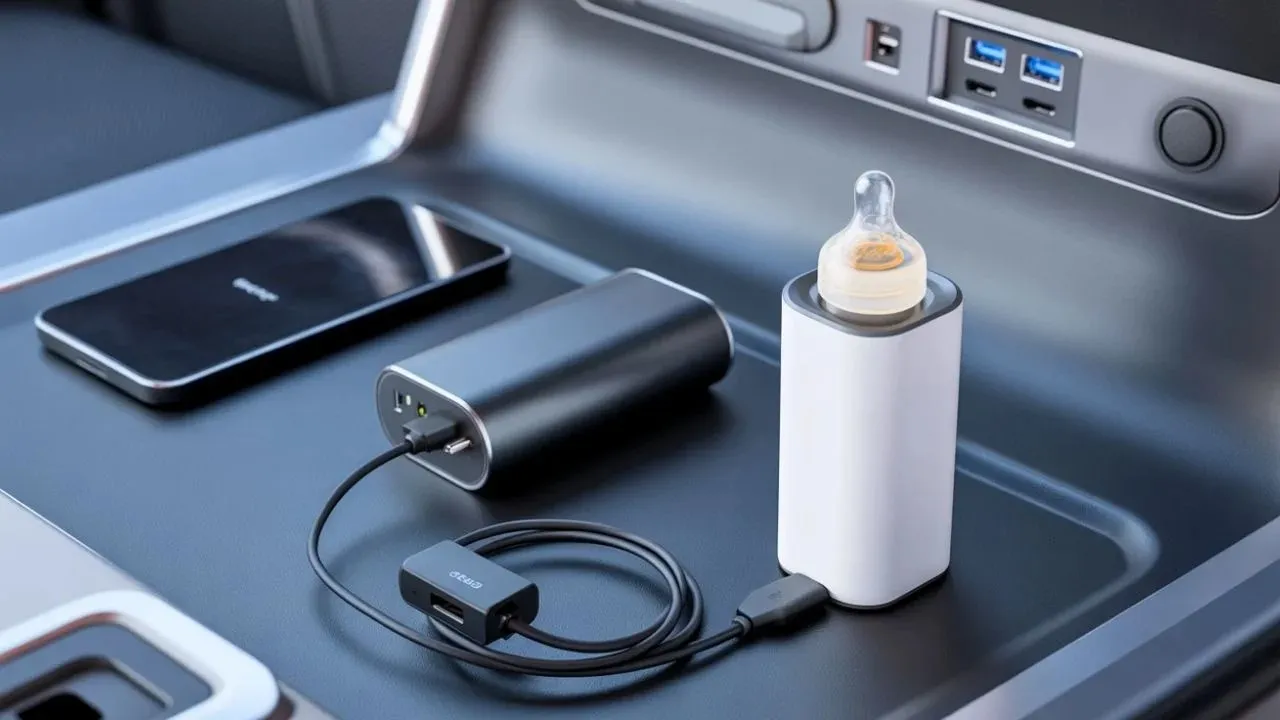
“Travel-friendly design” is a very important aspect of USB-C PD baby bottle warmers, particularly in the case of distributors or private label companies catering to a global audience. The fact of the matter is that lactating mothers and parents in general are demanding travel-friendly solutions, and it is essential for business-to-business buyers to be informed of the key engineering differences that make a product superior,” explained VitalBub. Their product includes travel-friendly design in all of its PD 3.0 baby bottle warmers.
Key Travel Design Considerations
When designing travel-friendly bottle warmers, one has to consider compromises between portability, power options, and safety. Some key considerations include:
- Compact Form Factor Lightweight, space-efficient design suitable for diaper bags, backpacks, or car cup holders
- Global Voltage Compatibility: Support for 100V to 240V AC and Voltage negotiation in PD 3.0
- Durable Housing Materials – Impact-resistant plastics or silicone to resist bumps, drops, and repeated handling
- “Integrated Cable Management Either built-in USB-C cables or cables that can be disconnected to prevent tangles when moving units,”
- Lightweight Thermal Insulation: This type of insulation retains heat without being heavy. Lightweight thermal insulation allows for faster heating with less energy.
VITALBUB’s travel-oriented warmers with PD 3.0 incorporate all the above elements to ensure both convenience for the healthcare giver and efficient heating.
Power Portability and Flexibility
Travel situations may involve different sources of power. Factors for B2B customers, for example, include:
- PD 3.0 Power Bank Compatibility Provides a guarantee that warmers are compatible with power banks for portability
- Car Charger Support It helps in maintaining constant heating during travel by using 12V car plugs
- Support for multi-voltage wall charger 9V, 12V, or 15V profiles worldwide
- Low Voltage Protection: Automatically adjusts in power sources that cannot deliver wattage.
Since it engineers devices to handle varying powers for consistent heating while on travel, there will be no reliability concerns for users of VITALBUB.
Travel Features that Are Easy to Use
User-friendliness is an essential travel need. Travel-focused design encompasses:
- One-touch operation for fast heating with easy control
- LED indicators or intelligent displays to monitor heating process advancements
- Silent operation to prevent disturbing babies on transport
- Non-slip base for secure placement in vehicles and airplane meal trays
- Automatic shut off for safety against accidents when unattended
They ensure improved consumer satisfaction and minimize any kind of support or warranty-related problems for the distributors.
Picking the Best USB-C Chargers, Power Banks, and Car Adapters
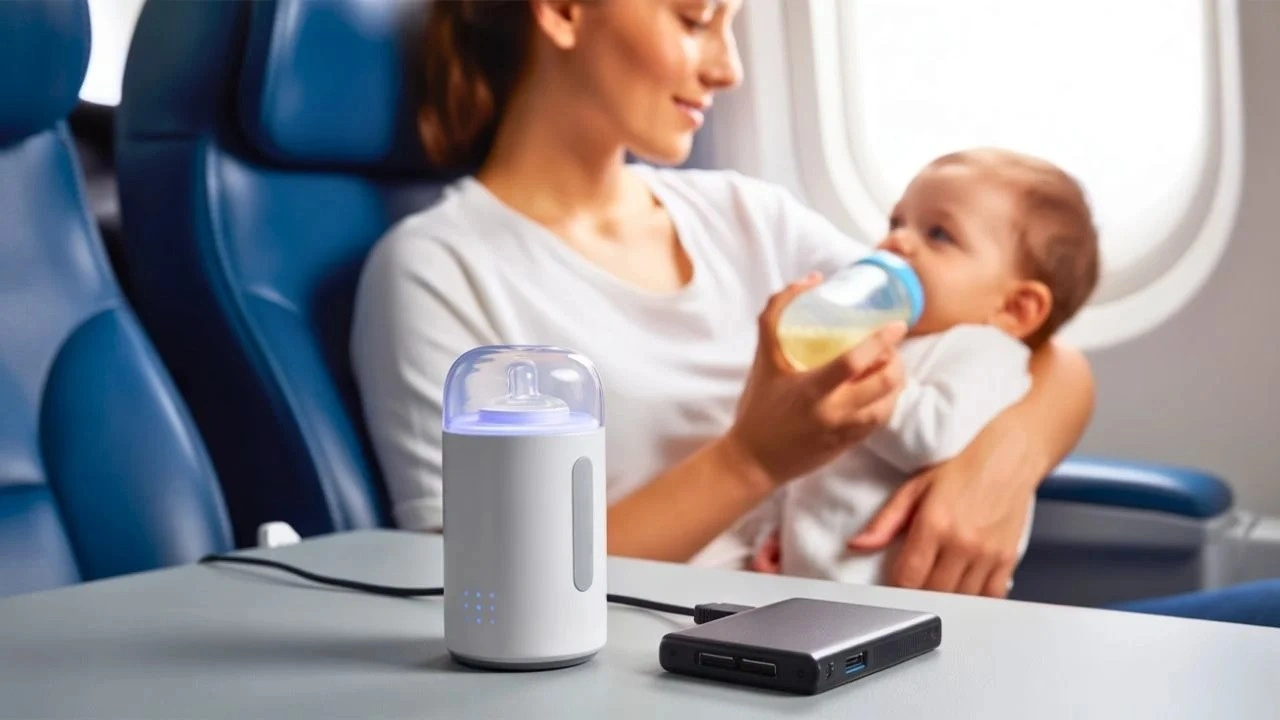
When it comes to USB-C PD baby bottle warmers, choosing the right power sources is imperative to ensure that the device heats evenly and safely while also being travel-ready. Businesses purchasing for B2B and also the private label brands are required to assess not only the warmers they are purchasing but also the charging devices and car chargers that are used by the consumers. At VITALBUB, it is imperative to note that they provide PD 3.0 baby bottle warmers with a focus on ensuring compatibility.
USB-C Power Hubs
The wall charging cables continue to be the prevalent mode of power connection. For PD 3.0 bottle warmers, it is crucial to incorporate charging cables that can supply the voltage and current requirements of around nine to twelve volts at two amps or 1.5 to two amps. The charging cable must be authentic in its PD 3.0 certification to maintain a correct recognition of the warmer. VITALBUB checks all of its warmers using numerous authentic PD charging cables.
Power Banks
It is critical for parents to invest in high-capacity power banks as a travel warming solution. Business-to-business customers should focus on aspects like battery capacity and PD output capabilities. A power bank must be able to handle at least nine volts of PD output. It is always preferable for a power bank to offer Programmable Voltage Levels (PPS) support. Low-capacity power banks can lead to dips in voltage or a lower output of current, potentially causing less effective warming or inconsistent temperature delivery. The Vitalbub warming products are designed in such a way that, even if the current delivery capacity of a power bank varies, constant warming is maintained.
Car Adapters
Car travel and usage need to employ special car adapters for PD 3.0. The utmost importance lies in selecting car adapters that have the capability of providing a consistent nine to twelve volts of output while also being able to filter out the electrical noise present in car circuits. Another important consideration for car adapters is that they should have the capability to provide protection for the warmer and the car from overheating andovervoltage conditions. VITALBUB provides functionality for preventing interferences and designing internal circuits that do not affect temperature uniformity even when driving.
OEM & ODM Development Paths for PD 3.0 Bottles Warmers
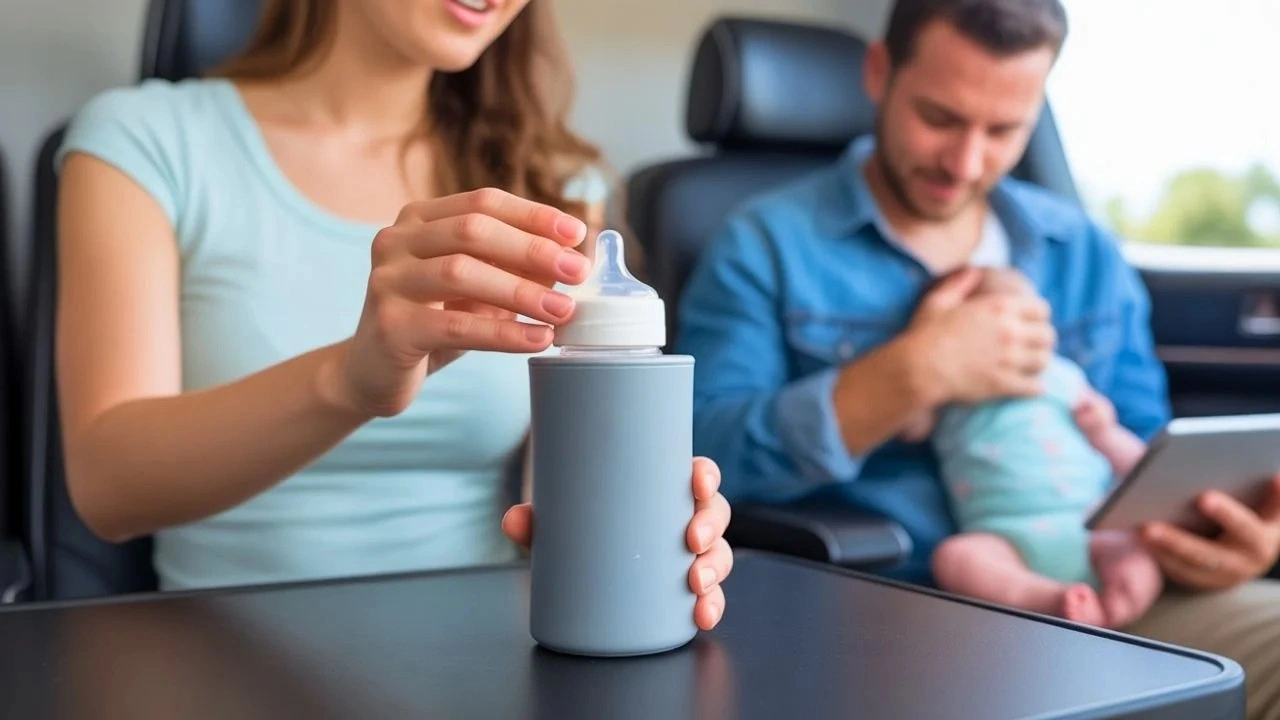
OEM and ODM development processes are very important for distribution, private labeling, and procurement personnel when creating a USB-C PD 3.0 baby bottle warmer product. Companies like VITALBUB provide a systematic way to help clients move forward from creation to product readiness, incorporating engineering, safety standards, and designs that are portable for travelers or backpackers, thus ensuring that newcomers are at par with global standards.
OEM vs. ODM Business Models
In OEM, customers provide product specs & brand requirements. The engineers at VITALBUB design the product based on the specs. The brand owners have intellectual properties. The process involves:
- Technical consultation for convergence on PD 3.0 profiles, power, and heat performance
- Creation of engineering schematics and prototypes according to the specifications of the clients
- Selection of construction materials for safe, durable, and travel-friendly construction
- Test-before-manufacturing safety testing for thermal requirements and PD 3.0 compatibility
In the ODM (Original Design Manufacturer) business model, VITALBUB has a pre-engineered base design that can then be adapted for the brand, colors, materials, and a few changes. This is the best route for a VITALBUB product if a company wants a faster time-to-market solution that can utilize VITALBUB’s success in terms of their engineering and methods regarding
Prototype Phase & Testing Phase | Activity
In the OEM and ODM models, there is a heavy focus on the prototype development and testing process so that the reliability and safety aspects are assured. The process includes the
- Prototyping and testing the power delivery, heating curve, and firmware of the PD 3.0 in the lab
- Simulating thermal-cycling and overheat functions for validation of sensor responses and auto-shutoff mechanisms
- Analysis of travel use scenarios: power banks, car adapter use, and travel charger compatibility
- Developing design variations based on testing results and optimizing for temperature uniformity, rate of heating, and user experience
VITALBUB ensures that each prototype satisfies functionality and safety requirements before proceeding to full production.
Production and Quality Assurance
Following the completion of design validation, the development stage enters a phase of scalable manufacturing. The major processes involved in this stage are as
- Quality Assurance at a factory level for PD 3.0 requirements, quality of materials, and consistency of components
- Testing a batch of units for uniform performance in terms of temperature
- Support for certification in CE, UL, FCC, and international travel requirements
- The designs of packaging and labels were consistent with the clients’ branding needs
VITALBUB combines these processes into a seamless OEM/ODM experience. This protects the distributor or brand.
Materials Engineering: Heat Plates, Films, Sensors, and Insulation
Material engineering plays an extremely important role in the design of the USB-C PD baby bottle warmers that are both safe, efficient, and travel-ready. It is necessary for B2B buyers, importers, and private label brands to understand the importance of heat plate materials, thermal films, sensor material, and insulation materials in the heating efficiency and durability of the product. At VITALBUB, material engineering is utilized to optimize every part of the PD 3.0 bottle warmers.
Heat Plates and Thermal Conductors
The heat plate represents the central unit used to transfer energy to the bottle. Factors to focus on include:
- The choice of materials: Copper or aluminum due to high conductivity and durability.
- Precision thickness: This provides even heating to the bottle chamber
- Surface coating: Food-grade coating to protect against corrosion to withstand multiple cycles
- Shape & Contact Area: Optimized for thermal transfer at desired points
VITALBUB ensures optimal geometry and materials of heat plates for maintaining temperature in every bottle size.
Thermal Films and Interface Materials
The use of thermal interface materials, high conductivity films/pads, enhances heat transfer from the heating element to the bottle chamber. Key factors include:
- High thermal conductivity to reduce energy losses
- Resistance and flexibility for conforming to bottle curvature
- Insulation against electrical shock to prevent short circuits
- Durrability during successive heating cycles
Such movies are used in combination with heat plates in order to achieve uniform heating while maintaining power efficiency at PD 3.0.
Temperature Sensors and Control Elements
Functions such as safe and stable operation depend on precise temperature measurement. The key considerations are:
- Placement of several thermal sensors to identify hot spots and monitor the temperature in the chamber.
- Integration with Firmware for Adaptive Power Modulation and Auto-Shutoff
- Precision accuracy regarding the conservation of milk temperatures between under- and over-heating
- Support of PD 3.0 protocols for dynamic power management
The VITALBUB makes sure that the sensor is calibrated properly for travel conditions.
Process Quality Control in Mass Production
In order for USB-C PD baby bottle warmers, quality consistency during mass production is essential for companies that distribute and import as well as for private label companies. B2B consumers alike must be assured that quality-assurance procedures for production include strict standards for making their products safe and globally standard-certified. VITALBUB applies comprehensive quality-assurance procedures for each production cycle for its PD 3.0 baby bottle warmers that its products heat and are travel-ready.
Incoming Material Inspection
QA begins by inspecting components incoming for quality. Functions tested include: Heating elements, thermographic films, sensors, insulation materials, and electronic components. Certification of use of materials like FDA plastics, RoHS electronics, and authentic use of PD 3.0 controllers also form an integral part of this process. VITALBUB checks for quality in every lot of components inspected before carrying out production. This helps minimize risks of variations in final product performance.
In-Process Production
Testing In the assembly phase, in-process testing observes the crucial aspects. Testing the heating plates for equality in conductivity, the data sensors’ calibration, and the firm ware testing for dynamic power management are part of assembly phase quality testing. Simulated temperature profiles are used on each unit to verify proper heating. Additionally, assembly phase QA comprises stress tests, connectivity tests on the cables, and inspection of the casings. VITALBUB’s multiple point testing ensures that production products are not defective and perform efficiently on the PD 3.0.
Batch Verification and Certification Support
Large-scale manufacturing involves batch verification in order to keep adherence to international certifications like CE, UL, FCC, and IEC standards. VITALBUB maintains records of manufacturing processes and tests, ensuring traceability of manufactured goods and eased certification approval from OEM or private label manufacturers.
How VITALBUB Helps Distributors by Offering Private Labeled USB-C PD Solutions
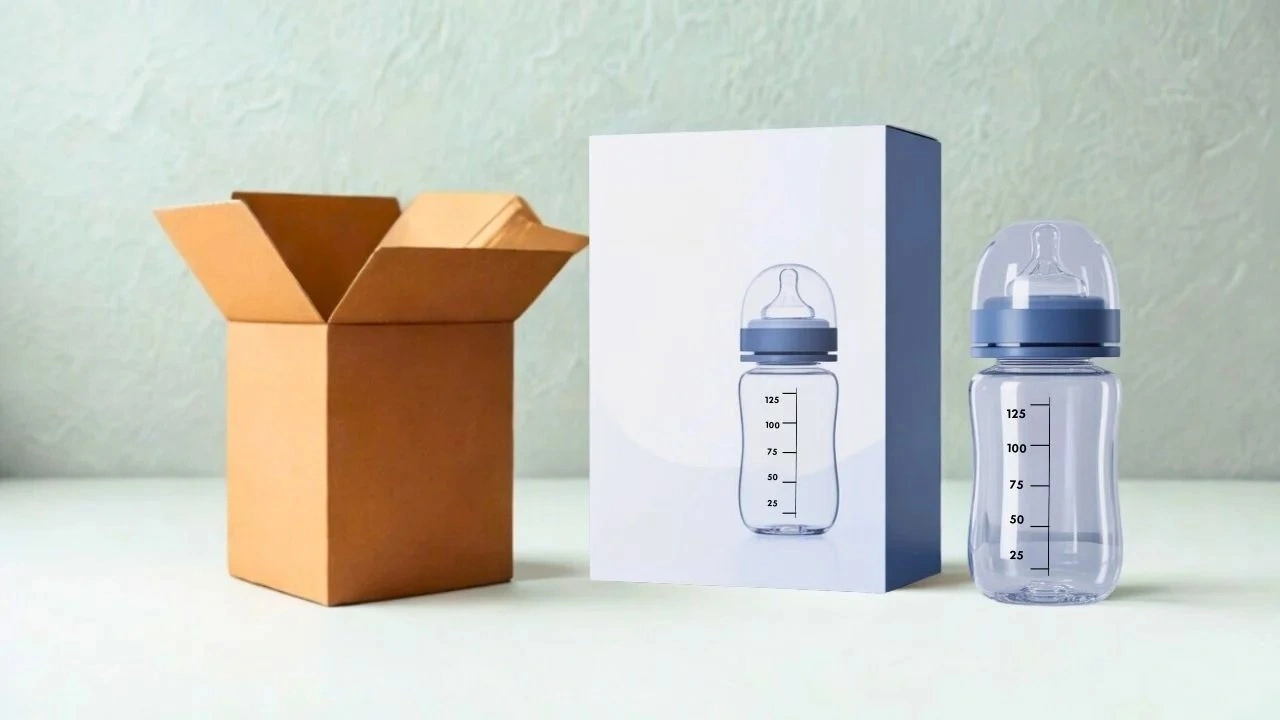
VITALBUB offers full support in terms of distribution, sourcing management, and private labeling for companies willing to enter the USB-C PD baby bottle warmer market. As demand for travel-friendly, safe, and efficient PD 3.0 baby bottle warmers increases worldwide, it becomes essential to collaborate with the manufacturer who can guide on engineering and certification processes.
In such a burgeoning market for USB-C PD baby bottle warmers, understanding market nuances of power consumption profiles, temperature management, safety aspects, travel-friendliness, and OEM/ODM creation models has immense relevance for B2B purchasers and original equipment manufacturers. Collaborations for partnering with an established and trusted manufacturer like VITALBUB can thus provide market-ready PD 3.0 warmers that are of high quality and safety standards.
Distributors and sourcing managers should take away from this case the following key points:
- Comprehensive PD 3.0 Power Support Offers reliable and efficient heating and high-quality charging support for multiple sources of power like wall chargers, power banks, and car adapters.
- Advanced Safety Features Overheat protection, even heating, and auto-shutoff work well together to provide safety.
- Travel-OPTimized Designs – Compact, lightweight, and insulated packages provide the best of all possible worlds.
- Material Engineering Excellence Heat plates, films, sensors, and insulation solutions of a highly superior nature.
- Comprehensive QA and Certification Full testing and assistance with CE, UL, FCC, RoHS, and International Travel Certifications will lower liability and enhance acceptance into the marketplace.
- OEM/ODM Private Label Support – Flexible development paths and branding enable differentiation for the brand in the market effectively.
By harnessing the knowledge of VITALBUB, distributors and OEm can launch high quality and travel-sized PD 3.0 USB-C bottle warmers while achieving optimal consumer satisfaction and minimizing return rates.
Next Steps: It is hoped that B2B customers can ask for product samples and consider OEM/Private Label deals with VITALBUB to enable safe, efficient, and globally approved PD 3.0 warmers.

We’re the VITALBUB Team—engineers, parents, and baby care advocates on a mission to deliver safe, smart appliances that make parenting easier for families worldwide.


